Love this? Save it for later!
Share the inspiration with your friends
I was standing in the middle of the hardware store, holding a bag of mulch I didn’t really need, when the woman behind me in line started talking about fruit salad. She was probably seventy, with silver hair tucked under a baseball cap, and she was buying three different kinds of birdseed. “You look like someone who feeds people,” she said to me out of nowhere. I laughed and told her I try my best. She nodded like she already knew, then leaned in and said, “Let me tell you about the winter fruit salad that finally made my grandson eat an orange.”
Now, I’ve made a lot of fruit salads in my day. Summer ones with berries and peaches that barely need a dressing. Fall ones with apples and pears that get all brown and sad if you look at them wrong. But winter fruit salad? That felt like a whole different challenge. Citrus is beautiful and all, but it can be tricky with kids. My youngest once told me that oranges “taste like medicine” and refused to touch them for months. So when this stranger at the hardware store started describing her honey lime dressing and the way she balances sweet and tart, I grabbed a receipt from my pocket and started writing it down. Right there by the paint samples.
Honestly, I forgot about the mulch entirely. I went home, rummaged through my fruit bowl, and made the salad that very afternoon. The first bite stopped me cold. It was bright and fresh and somehow exactly what January needed. My kids ate it without a single complaint. My husband asked for seconds. I stood in my kitchen, spoon in hand, thinking about that kind woman and her birdseed and wondering how many other great recipes are just floating around out there, waiting for someone to overhear them. This one stuck with me, and I think it’ll stick with you too.
Why You’ll Love This Recipe
Let’s be real for a second. Winter produce can feel a little… uninspired. After the holiday cookie marathon and all those heavy casseroles, your body is crying out for something fresh and bright. But buying fresh fruit in January can also make your wallet cry. That’s where this winter fruit salad comes in. It uses affordable, in-season fruits and a simple dressing that makes everything taste special without costing a fortune.
- Budget-Friendly: This recipe relies on citrus, apples, and pears — all of which are typically cheap in winter. No expensive berries or imported mangoes required.
- Kid-Approved: The honey lime dressing softens the tartness of citrus and makes even the pickiest eaters come back for more. My own kids now ask for this instead of candy.
- Quick & Easy: You can throw this together in about 15 minutes. Seriously. It’s faster than driving through a drive-thru.
- Make-Ahead Friendly: Unlike summer fruit salads that turn into a sad, soggy mess, this one actually gets better after a few hours in the fridge.
- Perfect for Meal Prep: Pack it for lunch, serve it with breakfast, or scoop it out for an afternoon snack. It works for all of it.
What makes this recipe different from every other fruit salad out there is the dressing. Most people just squeeze a little lemon juice on top and call it a day. But the honey lime dressing here does something magical. It coats every piece of fruit in a glossy, sweet-tart glaze that enhances the natural flavors without overwhelming them. The lime keeps things bright, the honey adds warmth, and a tiny pinch of salt makes everything pop. It’s the kind of recipe that makes you wonder why you haven’t been making it your whole life.
This isn’t just a fruit salad. It’s the thing that makes a Tuesday in February feel a little more hopeful. It’s the dish you bring to a potluck when you want to impress people without stressing out. It’s the snack you eat standing over the kitchen counter at 10 PM because you couldn’t stop thinking about it. Trust me on this one.
What Ingredients You Will Need
This recipe uses simple, everyday ingredients to create something that tastes far more expensive and complicated than it actually is. Most of these are probably in your kitchen right now, or at least within a quick trip to the grocery store.
- Oranges (2 large, peeled and sliced into rounds or segments): Navel oranges work great here. They’re sweet, seedless, and usually cheap in winter. If you can find cara cara oranges, they add a lovely pink color and extra sweetness.
- Grapefruit (1 large, peeled and segmented): This adds a beautiful pink or red color and a slightly bitter edge that balances the sweetness. If your kids are sensitive to bitterness, you can use a second orange instead.
- Apples (2 medium, cored and diced): I prefer honeycrisp or fuji for their sweetness and crunch. Granny smith works too if you like a tart contrast.
- Pears (2 medium, cored and diced): Bosc or anjou pears hold their shape well and add a soft, buttery texture. Make sure they’re ripe but still firm so they don’t turn mushy.
- Pomegranate seeds (1/2 cup): These little jewels add a pop of color and a burst of tartness. You can buy them pre-seeded in most grocery stores, which saves a lot of time and mess.
- Bananas (2 medium, sliced just before serving): I know, bananas in a fruit salad can be controversial. But they add creaminess and natural sweetness that ties everything together. Just add them right before you serve so they don’t get brown.
- Honey (3 tablespoons): Use a mild honey like clover or wildflower so it doesn’t overpower the fruit. Local honey is even better if you can get it.
- Fresh lime juice (2 tablespoons): Always use fresh. The bottled stuff has a weird metallic taste that will ruin your dressing.
- Lime zest (1 teaspoon): This is where the real flavor lives. Don’t skip it. The oils in the zest add a brightness that juice alone can’t match.
- Poppy seeds (1 teaspoon, optional): These add a lovely crunch and make the salad look fancy. They’re completely optional but highly recommended.
- Pinch of salt (about 1/8 teaspoon): I know it sounds weird in a fruit salad, but salt enhances sweetness and balances acidity. Trust the process.
For the best results, I recommend using organic citrus if your budget allows. The zest carries a lot of flavor, and you don’t want any wax or pesticides in your dressing. That said, regular citrus works just fine — just give it a good scrub before zesting.
Equipment Needed
You don’t need any fancy gadgets for this recipe. That’s part of the beauty of it. Here’s what you’ll need:
- Cutting board: A large one makes the prep go faster. I prefer wooden boards because they’re gentler on knives.
- Chef’s knife: A sharp 8-inch knife will make quick work of the apples and pears. Dull knives are dangerous and frustrating.
- Paring knife: Useful for segmenting citrus and removing any white pith. A small, sharp knife gives you more control.
- Microplane or zester: Essential for getting that lime zest without the bitter white pith. A box grater works in a pinch.
- Citrus juicer: A simple handheld reamer is all you need. I’ve been using the same $3 plastic one for years.
- Large mixing bowl: Big enough to hold all the fruit without spilling. Glass or ceramic is ideal because they don’t retain odors.
- Small bowl or jar: For whisking together the dressing. A mason jar works perfectly — just shake it up.
- Whisk or fork: For mixing the dressing ingredients together. A fork works fine if your whisk is in the dishwasher.
- Measuring spoons: For accurate measurements, especially with the honey and lime juice. Eyeballing it can lead to a dressing that’s too sweet or too tart.
If you don’t have a microplane, you can use the fine side of a box grater to zest the lime. Just be careful not to grate too deep into the white pith, which is bitter. And if you don’t have a citrus juicer, you can squeeze the lime by hand — just roll it on the counter first to soften it up and get more juice out.
Preparation Method
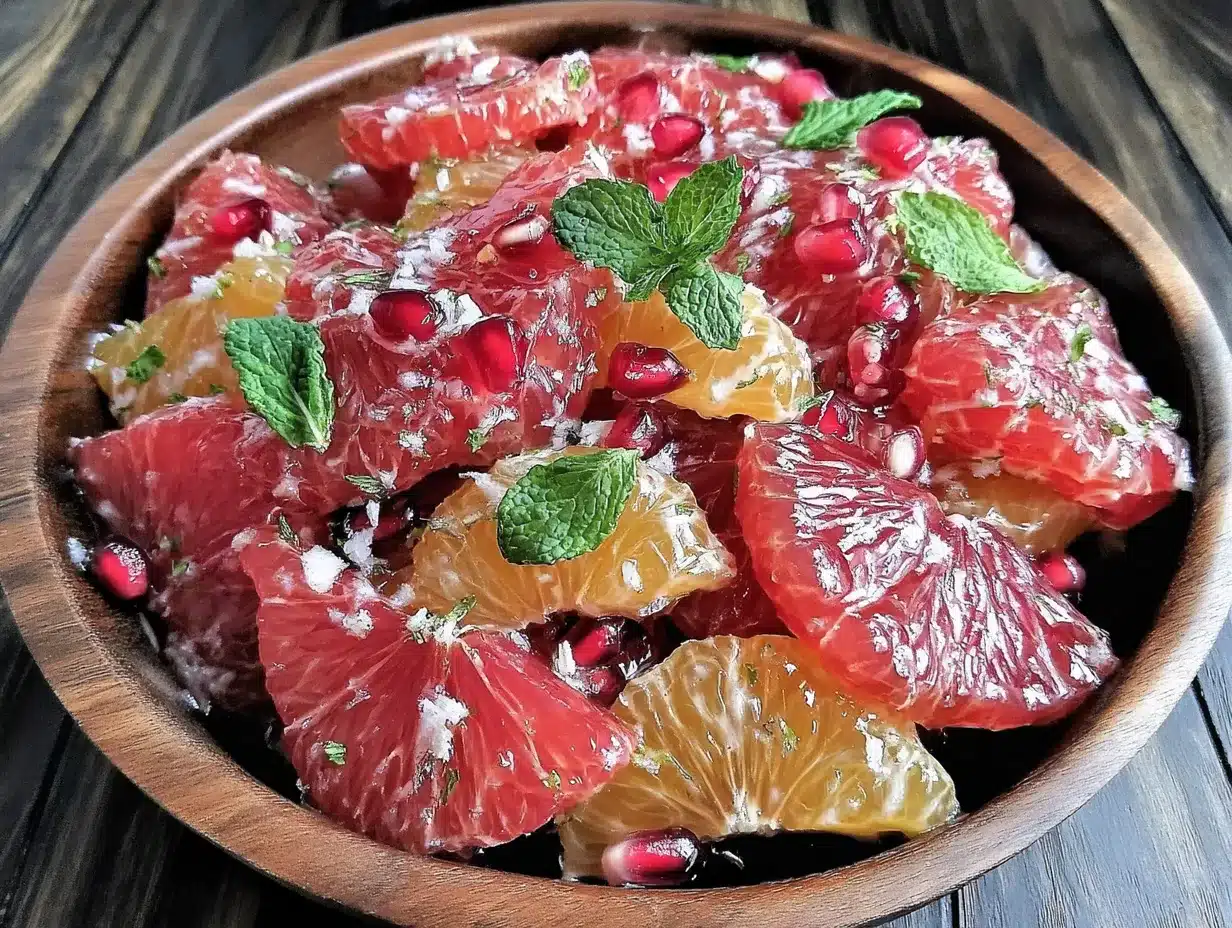
This winter fruit salad comes together in about 15 minutes of active prep time. The key is to work efficiently and pay attention to the order of operations. Here’s how I do it:
- Make the dressing first. In a small bowl or mason jar, combine 3 tablespoons of honey, 2 tablespoons of fresh lime juice, 1 teaspoon of lime zest, 1 teaspoon of poppy seeds (if using), and a pinch of salt. Whisk or shake until the honey is fully dissolved and everything is well combined. Set it aside while you prep the fruit. This gives the flavors time to meld together.
- Prep the citrus. Using a sharp paring knife, cut off the top and bottom of each orange and the grapefruit. Stand the fruit on one of the cut ends and slice downward to remove the peel and white pith in strips. Then, hold the fruit over the large mixing bowl and cut between the membranes to release the segments. Let them fall into the bowl. Squeeze the remaining membrane over the bowl to catch any extra juice. This takes a little practice, but it’s worth it for the beautiful, pith-free segments.
- Core and dice the apples. Cut the apples in half from top to bottom, then cut each half into quarters. Cut out the core and seeds, then dice the apple into bite-sized pieces — about 1/2 inch. Add them to the bowl with the citrus segments. Toss them with a little bit of the dressing immediately to prevent browning.
- Core and dice the pears. Follow the same process as the apples. Pears are softer, so be gentle with your knife. Add them to the bowl and toss with more dressing.
- Add the pomegranate seeds. Sprinkle the pomegranate seeds over the fruit. They don’t need to be tossed much — they’ll distribute naturally when you stir everything together.
- Pour the dressing over the fruit. Drizzle the honey lime dressing over the entire bowl of fruit. Using a large spatula or wooden spoon, gently fold everything together until all the fruit is evenly coated. Be careful not to mash the pears or break up the citrus segments.
- Cover and refrigerate. Place the bowl in the fridge for at least 30 minutes before serving. This allows the flavors to meld and the fruit to absorb the dressing. If you’re making this ahead for a party, it can sit in the fridge for up to 4 hours without any issues.
- Slice the bananas just before serving. When you’re ready to eat, peel and slice the bananas into 1/4-inch rounds. Gently fold them into the salad. This keeps them from getting mushy or brown.
- Give it one final stir. Taste the salad and adjust if needed. If it needs more sweetness, add a drizzle of honey. If it needs more brightness, squeeze a little extra lime juice over the top.
- Serve and enjoy. Spoon the fruit salad into individual bowls or a large serving dish. Garnish with extra lime zest or a few pomegranate seeds on top if you’re feeling fancy.
A few notes on timing: If you’re serving this for a holiday brunch or a family gathering, you can prep all the fruit except the bananas the night before. Just keep the dressing separate and toss everything together about an hour before serving. The bananas should always go in at the last minute. Trust me on this — I learned the hard way when I added them early and ended up with brown, mushy slices floating in my beautiful salad.
Cooking Tips & Techniques
Over the years, I’ve made this winter fruit salad more times than I can count. And let me tell you, I’ve made every mistake in the book so you don’t have to. Here are the things I wish someone had told me from the start:
Don’t skip the zest. The lime zest is where the magic happens. The juice adds acidity, but the zest carries the essential oils that give the dressing its bright, aromatic quality. I once forgot to add it and the salad felt flat and one-dimensional. Never again.
Use cold fruit. This salad is best when the fruit is well-chilled. If your fruit is at room temperature, the dressing won’t cling as well and the overall texture will be less refreshing. Pop your apples and pears in the fridge for an hour before you start prepping.
Cut everything the same size. This isn’t just about looks — though it does look prettier. When all the pieces are roughly the same size, every bite has a balanced mix of flavors and textures. You don’t want one bite to be all apple and the next all pear.
Pat the citrus dry. After you segment the oranges and grapefruit, let the pieces drain on a paper towel for a minute before adding them to the bowl. Too much extra juice will dilute the dressing and make the salad watery. I learned this after making a swimming pool of fruit juice that nobody wanted to eat.
Toast the poppy seeds. This is a little trick I picked up from a pastry chef friend. If you’re using poppy seeds, toast them in a dry skillet over medium heat for about 2 minutes until they smell nutty. It brings out their flavor and adds a subtle crunch that makes the salad feel more sophisticated.
Don’t overdress. You might be tempted to dump all the dressing on at once, but start with about three-quarters of it. Toss the fruit, taste it, and add more if needed. You can always add more dressing, but you can’t take it away. A soggy fruit salad is a sad fruit salad.
Let it rest. I know you’re hungry. I know you want to dig in immediately. But resist the urge. The 30-minute rest in the fridge is non-negotiable. It gives the fruit time to soften slightly and absorb the dressing, creating a cohesive dish rather than a bowl of separate things.
Variations & Adaptations
One of the best things about this winter fruit salad is how adaptable it is. I’ve tweaked it for different seasons, dietary needs, and picky eaters. Here are some of my favorite variations:
Dairy-Free Yogurt Parfait: Spoon the fruit salad over a generous scoop of Greek yogurt or dairy-free coconut yogurt. Top with a sprinkle of granola for crunch. My kids love this for breakfast, and it feels like a treat even though it’s packed with nutrients.
Citrus-Only Version: If you’re not a fan of apples and pears in your fruit salad, you can make this with just citrus. Use a mix of navel oranges, blood oranges, grapefruit, and mandarins. The honey lime dressing works beautifully with any combination of citrus.
Berry Swap: If you happen to have frozen berries in your freezer (I always do), you can swap out the pomegranate seeds for a handful of thawed and drained blueberries or raspberries. It changes the color and flavor profile but keeps the same bright, refreshing vibe.
Spiced Version: Add a pinch of cinnamon or cardamom to the dressing for a warm, cozy twist. This is especially nice in December and January when you’re craving those holiday flavors. I tried this on a whim one snowy afternoon and now it’s my go-to for winter dinner parties.
Low-Sugar Option: If you’re watching your sugar intake, you can reduce the honey to 1 tablespoon or swap it for a sugar-free alternative like monk fruit sweetener. The fruit itself is naturally sweet, so you don’t need much dressing to make it delicious.
Nutty Crunch: For added texture, sprinkle some toasted walnuts or pecans over the top just before serving. The nuts add a satisfying crunch and a dose of healthy fats. My husband loves this version and claims it’s “the only fruit salad worth eating.”
Minty Fresh: Chop a handful of fresh mint leaves and stir them into the salad along with the dressing. Mint and citrus are a classic pairing, and it adds a refreshing note that cuts through the sweetness.
Serving & Storage Suggestions
This winter fruit salad is incredibly versatile when it comes to serving. Here’s how I like to enjoy it:
Serving Temperature: Serve it cold, straight from the fridge. The contrast between the cold fruit and the bright dressing is what makes this salad so refreshing. If you’ve let it sit out for more than 30 minutes, pop it back in the fridge for a bit before serving.
Presentation Ideas: For a casual family dinner, I serve it in a large glass bowl so you can see all the colorful layers. For a holiday brunch, I spoon it into individual glass cups or mason jars — it looks gorgeous and makes portion control easy. A sprinkle of extra pomegranate seeds and a tiny sprig of mint on top makes it look restaurant-worthy.
What to Serve With It: This salad pairs beautifully with so many things. Serve it alongside pancakes or waffles for a weekend breakfast. Scoop it next to a slice of quiche or frittata for brunch. Or keep it simple and enjoy it on its own as a light dessert after a heavy meal. It’s also fantastic with a slice of pound cake or angel food cake.
Storage Instructions: Store leftovers in an airtight container in the refrigerator for up to 2 days. The bananas will get soft and brown after a few hours, so if you’re planning to have leftovers, keep the bananas separate and add them only to the portion you’re serving. The rest of the fruit actually gets better as it sits — the dressing continues to infuse the fruit with flavor.
Reheating: Don’t. This is a cold salad. If you want a warm fruit dessert, make a crumble or a cobbler instead. Cold is the way to go here.
Freezing: I don’t recommend freezing this salad. The texture of the fruit will break down completely when thawed, leaving you with a mushy, watery mess. If you have too much, share it with a neighbor or bring it to a potluck. It’s always a hit.
Nutritional Information & Benefits
This winter fruit salad is as good for you as it is delicious. Here’s a rough estimate of the nutritional breakdown per serving (about 1 cup):
| Nutrient | Amount Per Serving |
|---|---|
| Calories | 180-200 |
| Total Fat | 0.5g |
| Sodium | 40mg |
| Total Carbohydrates | 45g |
| Dietary Fiber | 6g |
| Sugars | 32g (natural) |
| Protein | 2g |
| Vitamin C | 80% DV |
| Vitamin A | 10% DV |
| Potassium | 350mg |
The health benefits here are real. Oranges and grapefruit are packed with vitamin C, which supports your immune system during cold and flu season. Pomegranate seeds are loaded with antioxidants that fight inflammation. Apples and pears provide soluble fiber that’s great for digestion and heart health. And the honey in the dressing has natural antibacterial properties.
This salad is naturally gluten-free, dairy-free, and vegan (if you use maple syrup instead of honey). It’s also low in fat and sodium, making it a smart choice for anyone watching their heart health. The only potential allergen to note is the poppy seeds — if you have a seed allergy, just leave them out.
Conclusion
I still think about that woman at the hardware store sometimes. I wonder if she knows how many times I’ve made her fruit salad. I wonder if she’d be surprised that it became a staple in my kitchen, that my kids now ask for it by name, that I’ve passed it on to friends and family who’ve passed it on to their own friends and family. That’s the thing about a good recipe — it has a life of its own.
This winter fruit salad with honey lime dressing is proof that you don’t need expensive ingredients or complicated techniques to make something truly special. It’s bright, refreshing, and full of the kind of flavor that makes you feel like you’re eating sunshine in the middle of winter. It’s budget-friendly, kid-approved, and so easy that you’ll find yourself making it on repeat.
I hope you give it a try. And when you do, I hope you make it your own. Add a little extra lime zest if that’s your thing. Swap in your favorite fruits. Leave out the bananas if they’re not your style. This recipe is forgiving and flexible, just like any good family recipe should be.
If you make this winter fruit salad, I’d love to hear about it. Leave a comment below and tell me how it turned out. Did your kids like it? Did you try a variation? Did you serve it at a holiday brunch and watch it disappear? Share your story — I read every single comment and I answer as many as I can. And if you snap a photo, tag me on social media. There’s nothing that makes my day like seeing one of my recipes in your kitchen.
Until next time, happy cooking. And keep an eye out for unexpected recipes — you never know where you might find your next favorite dish.
Frequently Asked Questions
Can I make this fruit salad the night before?
Absolutely. Just keep the bananas out until right before serving. The rest of the fruit actually tastes better after sitting in the dressing overnight. Store it in an airtight container in the fridge and give it a good stir before serving.
What if I don’t have pomegranate seeds?
No problem at all. You can leave them out entirely or substitute with dried cranberries, fresh blueberries, or even a handful of chopped dried apricots. The pomegranate seeds add color and tartness, but the salad is still delicious without them.
Can I use lemon juice instead of lime?
You can, but the flavor will be different. Lime is brighter and slightly more floral than lemon. If you only have lemon on hand, use it — it’ll still be good. But if you can swing it, pick up a lime. It really does make a difference.
How do I keep the apples from turning brown?
The honey lime dressing does a great job of preventing browning because the acid in the lime juice slows down oxidation. Tossing the apples in the dressing immediately after cutting them is the best strategy. If you’re prepping ahead, you can also toss them in a little extra lime juice before adding the dressing.
Is this recipe safe for nut allergies?
Yes, as written, this recipe is completely nut-free. Just be sure to check the labels on your honey and any other packaged ingredients to make sure they weren’t processed in a facility that handles nuts. If you add the nutty crunch variation, obviously that version contains nuts.
Pin This Recipe!
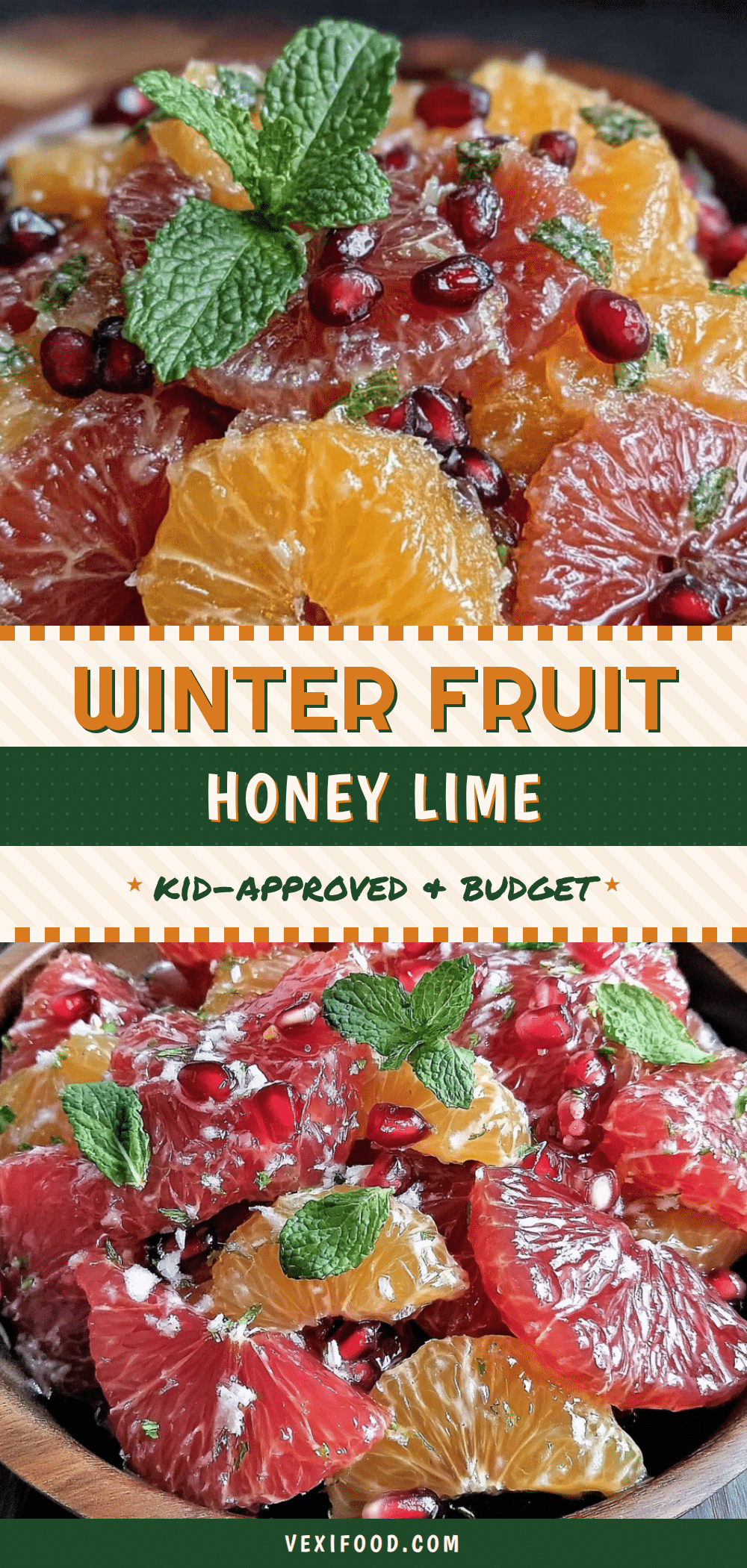
Easy Winter Fruit Salad with Honey Lime Dressing
A bright and refreshing winter fruit salad featuring citrus, apples, pears, and pomegranate seeds tossed in a sweet-tart honey lime dressing. This budget-friendly, kid-approved recipe comes together in 15 minutes and is perfect for meal prep or holiday brunches.
- Prep Time: 15 minutes
- Cook Time: 0 minutes
- Total Time: 45 minutes (includes 30 minutes chilling)
- Yield: 6 servings 1x
- Category: Side Dish
- Cuisine: American
Ingredients
- 2 large oranges, peeled and sliced into rounds or segments
- 1 large grapefruit, peeled and segmented
- 2 medium apples (Honeycrisp or Fuji), cored and diced
- 2 medium pears (Bosc or Anjou), cored and diced
- 1/2 cup pomegranate seeds
- 2 medium bananas, sliced just before serving
- 3 tablespoons honey
- 2 tablespoons fresh lime juice
- 1 teaspoon lime zest
- 1 teaspoon poppy seeds (optional)
- 1/8 teaspoon salt
Instructions
- Make the dressing first: In a small bowl or mason jar, combine 3 tablespoons honey, 2 tablespoons fresh lime juice, 1 teaspoon lime zest, 1 teaspoon poppy seeds (if using), and a pinch of salt. Whisk or shake until honey is dissolved and well combined. Set aside.
- Prep the citrus: Using a sharp paring knife, cut off the top and bottom of each orange and the grapefruit. Stand the fruit on one cut end and slice downward to remove the peel and white pith in strips. Hold the fruit over a large mixing bowl and cut between the membranes to release segments, letting them fall into the bowl. Squeeze the remaining membrane over the bowl to catch extra juice.
- Core and dice the apples: Cut apples in half, then into quarters. Remove core and seeds, then dice into 1/2-inch pieces. Add to the bowl with citrus and toss with a little dressing to prevent browning.
- Core and dice the pears: Follow the same process as apples. Add to the bowl and toss with more dressing.
- Add the pomegranate seeds: Sprinkle over the fruit.
- Pour the dressing over the fruit: Drizzle the honey lime dressing over the entire bowl. Gently fold everything together until all fruit is evenly coated.
- Cover and refrigerate: Place the bowl in the fridge for at least 30 minutes before serving to allow flavors to meld.
- Slice the bananas just before serving: Peel and slice bananas into 1/4-inch rounds. Gently fold into the salad.
- Give it one final stir: Taste and adjust if needed—add more honey for sweetness or extra lime juice for brightness.
- Serve and enjoy: Spoon into individual bowls or a large serving dish. Garnish with extra lime zest or pomegranate seeds if desired.
Notes
For best results, use cold fruit and pat citrus segments dry to avoid watery salad. The dressing prevents apple browning. Bananas should always be added just before serving. The salad can be made ahead (without bananas) and stored in the fridge for up to 4 hours. Leftovers keep in an airtight container for up to 2 days, but remove bananas first. Not recommended for freezing.
Nutrition
- Serving Size: 1 cup
- Calories: 190
- Sugar: 32
- Sodium: 40
- Fat: 0.5
- Carbohydrates: 45
- Fiber: 6
- Protein: 2
Keywords: winter fruit salad, honey lime dressing, citrus salad, healthy fruit salad, easy fruit salad, kid-friendly fruit salad, holiday fruit salad