Love this? Save it for later!
Share the inspiration with your friends
I was standing in the grocery store parking lot last Tuesday, fumbling for my keys, when the strangest thing happened. A woman walked by carrying a takeout bag, and the smell hit me—garlic, butter, a whisper of lemon—and suddenly I was twelve years old in my Aunt Rosie’s tiny kitchen in San Diego. She wasn’t actually my aunt; she was my mom’s best friend from college, but she had this way of making everyone feel like family. I remember the way she’d toss spaghetti against the wall to check if it was done (my mother was horrified), and how she always kept a stick of butter softening on the counter like it was a decorative item.
The thing is, I haven’t thought about Aunt Rosie in years. She moved to Portugal a decade ago, and we lost touch somewhere between Facebook algorithm changes and life getting loud. But that scent in the parking lot? It was so specific, so sharp, that I almost turned around to chase after that stranger’s dinner. Instead, I went home and started pulling ingredients out of the fridge, trying to reconstruct something I hadn’t eaten since I was a kid—but lighter, because honestly, my adult body does not handle heavy cream the way my twelve-year-old self did.
This lighter garlic butter shrimp pasta is what came out of that experiment. It’s the same soul-soothing comfort I remember from Aunt Rosie’s table, but with a fraction of the butter and a whole lot less guilt. Maybe you’ve been there—craving something that tastes like a hug but doesn’t leave you reaching for antacids an hour later. This is that recipe. It comes together in fifteen minutes flat, uses ingredients you probably already have, and tastes so good you’ll forget it’s on the lighter side. Let me tell you, the first time I made this, I actually closed my eyes after the first bite. That’s the kind of recipe this is.
Why You’ll Love This Recipe
I’ve tested this lighter garlic butter shrimp pasta about seven times now, and let me just say—my neighbors have been very happy test subjects. There’s something about getting a recipe just right that makes all those slightly-too-garlicky batches worth it. Here’s why this one earned a permanent spot in my weekly rotation:
- Quick & Easy: From fridge to table in 15 minutes flat. I mean it—I timed myself while simultaneously answering a text from my sister. Perfect for those nights when you’re hungry now, not in an hour.
- Simple Ingredients: No trips to specialty stores. You’ve got shrimp, pasta, garlic, butter, lemon, and a few pantry staples. That’s it. I made this with frozen shrimp from Costco once and it was still fantastic.
- Perfect for Busy Weeknights: This is the dinner you make on a Tuesday when you’ve got a Zoom meeting at 6 PM and a kid who needs help with math homework. It saves the day, honestly.
- Crowd-Pleaser: My picky-eating nephew devoured this. My health-conscious sister asked for the recipe. Even my dad, who claims he “doesn’t do shrimp,” ate two servings.
- Unbelievably Delicious: The texture is perfect—tender shrimp, al dente pasta, and a sauce that coats every strand without being heavy. It’s comfort food reimagined, and it works.
What makes this different from every other garlic butter shrimp pasta recipe out there? Two things. First, I swapped half the butter for a splash of pasta water and a squeeze of fresh lemon juice. You get all the rich flavor with way less fat. Second, I added a pinch of red pepper flakes at the end—not enough to make it spicy, just enough to wake up your taste buds. It’s a small tweak, but trust me, it makes a difference.
This is the kind of meal that makes you feel good about eating well. It’s lighter, faster, and somehow still tastes like something you’d order at a nice restaurant. That’s the magic of a recipe that’s been tested and tweaked until it’s just right.
What Ingredients You Will Need
This recipe uses simple, wholesome ingredients that work together to create something genuinely satisfying. Most of these are pantry staples, which is exactly what you want in a 15-minute dinner. Here’s what you’ll need:
For the Pasta
- 8 ounces spaghetti or linguine (I prefer De Cecco for the texture—it holds up well)
- Salt, for the pasta water (use a generous amount—it’s the only chance to season the pasta itself)
For the Shrimp & Sauce
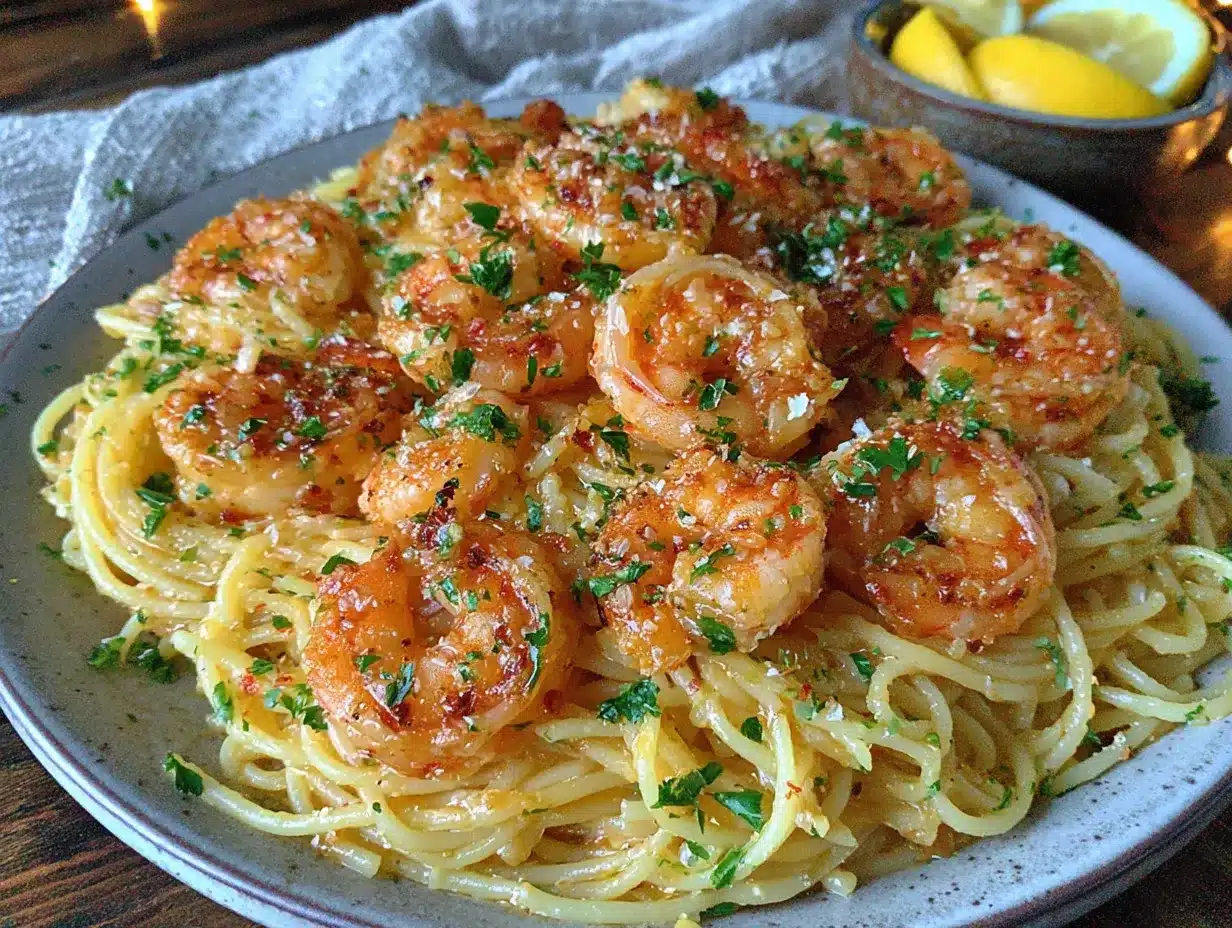
- 1 pound large shrimp, peeled and deveined (21-25 count is ideal; tails on or off—your call)
- 2 tablespoons unsalted butter, divided (Kerrygold is my go-to for flavor)
- 4 cloves garlic, minced (use a microplane if you want it extra fine)
- 1/4 teaspoon red pepper flakes (optional, but highly recommended for that little kick)
- Juice of 1 lemon (about 2 tablespoons—fresh only, please)
- 1/4 cup reserved pasta water (this is the secret to a silky sauce without heavy cream)
- Salt and black pepper, to taste
- 2 tablespoons fresh parsley, chopped (for garnish—it adds color and freshness)
- 1/4 cup grated Parmesan cheese (optional, for serving; use a microplane for best results)
Ingredient Tips & Substitutions
For the shrimp, look for wild-caught if you can find it—the flavor is noticeably better. Frozen shrimp works perfectly; just thaw them under cold running water for about 5 minutes before cooking. If you’re avoiding dairy, use a good quality olive oil instead of butter (I like California Olive Ranch for everyday cooking). For a gluten-free option, use your favorite gluten-free pasta—just adjust the cooking time according to the package directions.
Fresh garlic is non-negotiable here; pre-minced jarred garlic has a different flavor that just doesn’t work as well. Trust me, I tried it once when I was out of fresh garlic, and it was a sad, sad pasta situation. And please, for the love of all things delicious, use fresh lemon juice. That bottled stuff has a weird chemical aftertaste that will ruin your sauce.
Equipment Needed
You don’t need much for this recipe, which is honestly one of the best things about it. Here’s what you’ll want to have on hand:
- Large pot for boiling pasta (4-6 quarts capacity is ideal)
- Large skillet or sauté pan (12-inch is perfect—you want room for the shrimp to cook evenly)
- Colander for draining pasta
- Microplane or zester for garlic and Parmesan (if you have one; a knife works too)
- Measuring spoons and cups
- Chef’s knife and cutting board
- Tongs for tossing everything together
- Small bowl for reserving pasta water
If you don’t have a microplane, you can mince the garlic with a knife—just make sure it’s very fine so it melts into the sauce. And honestly, a good pair of tongs is worth investing in; they make tossing pasta with sauce so much easier than using a spoon. I bought a cheap pair at IKEA years ago and they’re still going strong.
Preparation Method
This comes together fast, so I recommend having everything prepped before you start cooking. Trust me, you don’t want to be mincing garlic while your pasta water is boiling over. Here’s how to do it:
- Start the pasta water. Fill your large pot with water, add a generous pinch of salt (about 1 tablespoon), and bring it to a rolling boil over high heat. While you’re waiting, prep your other ingredients.
- Prep the shrimp. Pat the shrimp dry with paper towels—this is important for getting a good sear. Season them lightly with salt and pepper. If they’re frozen, make sure they’re fully thawed and patted dry.
- Cook the pasta. Once the water is boiling, add the spaghetti and cook according to package directions until al dente (usually 8-10 minutes). Before draining, reserve 1 cup of pasta water—you’ll need about 1/4 cup for the sauce, but having extra is always a good idea. Drain the pasta and set it aside.
- Start the sauce. While the pasta cooks, heat your large skillet over medium-high heat. Add 1 tablespoon of butter and let it melt until it’s foaming but not browning. Add the shrimp in a single layer—don’t crowd the pan; work in batches if needed. Cook for 2 minutes per side, until they’re pink and opaque. The shrimp should have a nice golden sear on the outside. Transfer them to a plate and set aside.
- Build the flavor. Reduce the heat to medium. Add the remaining 1 tablespoon of butter to the same skillet. Once melted, add the minced garlic and red pepper flakes (if using). Cook for about 30 seconds, stirring constantly, until the garlic is fragrant but not browned. Burnt garlic is bitter garlic, so keep an eye on it.
- Create the sauce. Pour in the lemon juice and 1/4 cup of the reserved pasta water. Use a wooden spoon to scrape up any brown bits from the bottom of the pan—that’s flavor right there. Let it simmer for about 1 minute, until it thickens slightly. The sauce should look silky and emulsified.
- Bring it all together. Add the cooked pasta and shrimp back to the skillet. Toss everything together with tongs until the pasta is evenly coated in the sauce. If it looks dry, add a splash more pasta water—the sauce should cling to the pasta, not pool at the bottom.
- Finish and serve. Taste and adjust seasoning with salt and pepper. Sprinkle with fresh parsley and Parmesan cheese if using. Serve immediately while it’s hot and the shrimp are still tender.
A few notes from my trials: If your sauce looks broken or greasy, add a tiny splash of cold water and toss vigorously—it should come back together. And don’t overcook the shrimp; they go from perfect to rubbery in about 30 seconds. When they just turn pink and start to curl, they’re done.
Cooking Tips & Techniques
I’ve made this lighter garlic butter shrimp pasta about a dozen times now, and let me tell you, I’ve learned some things the hard way. Here are the tips that will save you from my mistakes:
Don’t skip drying the shrimp. This is the number one mistake people make. Wet shrimp steam instead of sear, and you end up with gray, rubbery shrimp instead of golden, tender ones. Pat them dry with paper towels until they’re almost tacky to the touch. It makes a huge difference.
Use the pasta water trick. The starch in the pasta water is what makes the sauce cling to the noodles without needing heavy cream. I learned this from a chef friend who makes the best carbonara I’ve ever had. Save more water than you think you need—you can always discard it, but you can’t make more once it’s down the drain.
Watch your heat. Garlic burns in seconds, especially when the pan is hot. I once looked away for “just a second” to answer my phone, and my garlic went from golden to charcoal in that time. Keep the heat at medium and stir constantly. If you see the garlic turning brown, pull the pan off the heat immediately.
Cook pasta to al dente. Since the pasta will cook for another minute in the sauce, start with it slightly underdone. It should have a tiny white core when you bite into it. This prevents mushy pasta in the final dish.
Season in layers. Salt the pasta water, season the shrimp, and taste the sauce before serving. Each layer of seasoning adds depth. I forgot to salt the pasta water once and the whole dish tasted flat, no matter how much salt I added at the end.
Variations & Adaptations
One of the best things about this recipe is how flexible it is. Here are some variations I’ve tried and loved:
Vegetable-Packed Version: Add a handful of spinach or arugula when you add the pasta back to the skillet. It wilts in about 30 seconds and adds color and nutrients. I also like throwing in some cherry tomatoes halved—they burst and add a sweet tanginess that’s lovely with the garlic butter.
Spicy Kick: If you like heat, double the red pepper flakes or add a minced serrano pepper along with the garlic. I made this for a friend who loves spicy food and she practically licked the plate clean. Just be careful—a little goes a long way.
Dairy-Free Adaptation: Use a good quality olive oil instead of butter. The flavor will be slightly different but still delicious. I recommend a fruity extra virgin olive oil for the best results. Add a tablespoon of nutritional yeast at the end for a cheesy flavor without the dairy.
Protein Swap: Chicken works beautifully here. Cut boneless, skinless chicken thighs into bite-sized pieces and cook them the same way as the shrimp. You’ll need to cook them a few minutes longer—about 4-5 minutes per side. Scallops are also amazing if you’re feeling fancy.
Herb Variation: Swap the parsley for fresh basil or chives. I made this with basil one summer when my plant was taking over the balcony, and it was incredible. The basil adds a slightly sweet, peppery note that pairs well with the lemon.
Serving & Storage Suggestions
This dish is best served immediately, right out of the skillet, while the shrimp are still tender and the pasta is perfectly coated. I like to serve it in wide, shallow bowls with extra lemon wedges on the side. A sprinkle of fresh parsley and a generous grating of Parmesan on top makes it look restaurant-worthy.
For sides, a simple green salad with a lemon vinaigrette is perfect—it cuts through the richness of the pasta. Crusty bread is also great for soaking up any leftover sauce (and trust me, you’ll want every drop). A glass of crisp white wine like Sauvignon Blanc or Pinot Grigio pairs beautifully.
Storage: If you have leftovers (unlikely, but possible), store them in an airtight container in the refrigerator for up to 2 days. The shrimp will lose some of their texture upon reheating, so it’s best to eat this fresh.
Reheating: The best way to reheat is in a skillet over medium-low heat with a splash of water or chicken broth. Toss gently until warmed through—about 3-4 minutes. Avoid the microwave if possible; it tends to make the shrimp rubbery and the pasta mushy. I learned this the hard way when I tried to reheat leftovers for lunch and ended up with a sad, sad bowl of pasta.
One more thing: the flavors actually meld and deepen overnight. If you can resist eating it all, the leftovers the next day are almost better. Something about the garlic and lemon settling into the pasta makes it even more delicious.
Nutritional Information & Benefits
This lighter garlic butter shrimp pasta is proof that eating well doesn’t mean sacrificing flavor. Here’s the approximate nutritional breakdown per serving (based on 4 servings, without Parmesan):
- Calories: 385
- Protein: 28g
- Carbohydrates: 45g
- Fat: 11g
- Saturated Fat: 5g
- Fiber: 2g
- Sodium: 520mg
Shrimp is an excellent source of lean protein, providing about 20 grams per 3-ounce serving. It’s also rich in selenium, vitamin B12, and omega-3 fatty acids, which support heart health and brain function. The lemon juice adds a boost of vitamin C, while the garlic offers anti-inflammatory properties. By using pasta water instead of heavy cream, we’ve cut the fat content significantly without losing any of the creamy texture.
This recipe is naturally low in added sugars and can easily be made gluten-free or dairy-free with the substitutions mentioned above. It’s a balanced meal that satisfies cravings without the post-dinner sluggishness. As someone who loves food but also wants to feel good after eating, this hits the sweet spot.
Conclusion
This lighter garlic butter shrimp pasta is more than just a quick dinner—it’s a reminder that the best meals don’t have to be complicated or heavy. It’s the kind of recipe that saves you on a busy Tuesday, impresses guests without stress, and makes you feel good about what you’re eating. Every time I make it, I think of Aunt Rosie and her messy, wonderful kitchen, and I smile.
I’d love for you to try this and make it your own. Maybe you’ll add extra lemon, or throw in some spinach, or double the garlic (I won’t judge). Whatever you do, let me know how it turns out. Drop a comment below, share your photos, or tell me about a recipe that brings back a memory for you. That’s what cooking is all about, isn’t it? Making something that tastes good and means something more.
So go ahead—pull out that skillet, boil some water, and make yourself a bowl of comfort. You deserve it. And honestly? Aunt Rosie would approve.
Frequently Asked Questions
Can I use frozen shrimp for this recipe?
Absolutely! Just make sure to thaw them completely under cold running water and pat them very dry before cooking. Frozen shrimp work just as well as fresh, as long as you remove as much moisture as possible.
What type of pasta works best?
Long, thin pasta like spaghetti, linguine, or angel hair works best because the sauce coats each strand beautifully. But honestly, any pasta shape will work—I’ve made this with penne and fusilli when that’s what I had on hand, and it was still delicious.
Can I make this ahead of time?
This dish is best served fresh, but you can prep the ingredients ahead of time. Peel and devein the shrimp, mince the garlic, and chop the parsley up to a day in advance. Store everything in the refrigerator separately, then cook when you’re ready.
How do I prevent the shrimp from becoming rubbery?
The key is to not overcook them. Shrimp cook very quickly—about 2 minutes per side is all they need. Once they turn pink and start to curl into a loose C shape, they’re done. Watch them closely and remove them from the heat immediately.
Is this recipe gluten-free?
It can easily be made gluten-free by using your favorite gluten-free pasta. Just be sure to cook it according to the package directions and reserve some of the pasta water for the sauce. The rest of the ingredients are naturally gluten-free.
Pin This Recipe!
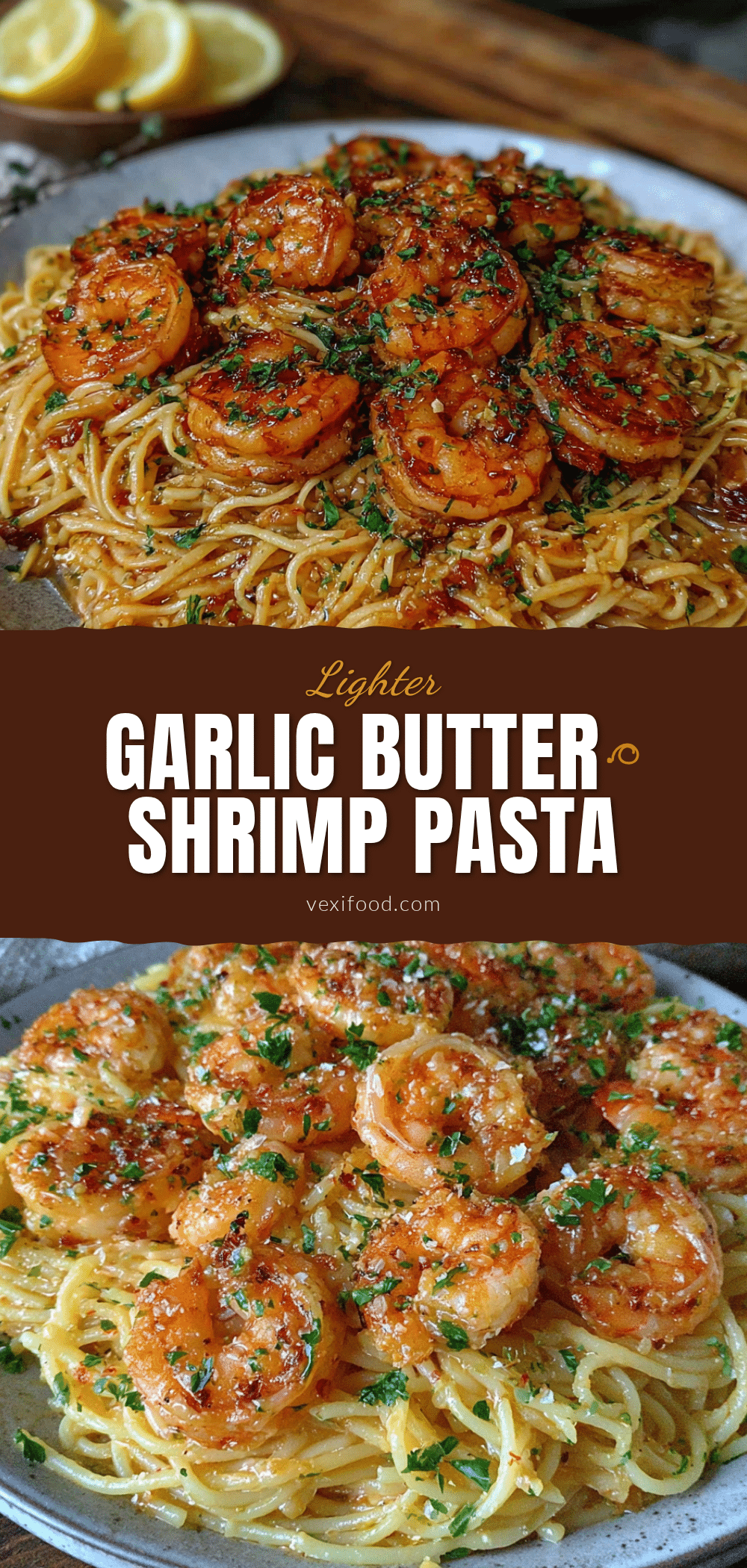
Lighter Garlic Butter Shrimp Pasta: Easy 15-Minute Dinner
A quick and easy 15-minute dinner featuring tender shrimp, al dente pasta, and a light garlic butter sauce made with pasta water instead of heavy cream. It’s comfort food reimagined—soul-soothing and delicious without the guilt.
- Prep Time: 5 minutes
- Cook Time: 10 minutes
- Total Time: 15 minutes
- Yield: 4 servings 1x
- Category: Main Course
- Cuisine: Italian-American
Ingredients
- 8 ounces spaghetti or linguine
- Salt, for the pasta water
- 1 pound large shrimp, peeled and deveined (21–25 count)
- 2 tablespoons unsalted butter, divided
- 4 cloves garlic, minced
- 1/4 teaspoon red pepper flakes (optional)
- Juice of 1 lemon (about 2 tablespoons)
- 1/4 cup reserved pasta water
- Salt and black pepper, to taste
- 2 tablespoons fresh parsley, chopped
- 1/4 cup grated Parmesan cheese (optional, for serving)
Instructions
- Start the pasta water. Fill your large pot with water, add a generous pinch of salt (about 1 tablespoon), and bring it to a rolling boil over high heat. While you’re waiting, prep your other ingredients.
- Prep the shrimp. Pat the shrimp dry with paper towels—this is important for getting a good sear. Season them lightly with salt and pepper. If they’re frozen, make sure they’re fully thawed and patted dry.
- Cook the pasta. Once the water is boiling, add the spaghetti and cook according to package directions until al dente (usually 8-10 minutes). Before draining, reserve 1 cup of pasta water—you’ll need about 1/4 cup for the sauce, but having extra is always a good idea. Drain the pasta and set it aside.
- Start the sauce. While the pasta cooks, heat your large skillet over medium-high heat. Add 1 tablespoon of butter and let it melt until it’s foaming but not browning. Add the shrimp in a single layer—don’t crowd the pan; work in batches if needed. Cook for 2 minutes per side, until they’re pink and opaque. The shrimp should have a nice golden sear on the outside. Transfer them to a plate and set aside.
- Build the flavor. Reduce the heat to medium. Add the remaining 1 tablespoon of butter to the same skillet. Once melted, add the minced garlic and red pepper flakes (if using). Cook for about 30 seconds, stirring constantly, until the garlic is fragrant but not browned. Burnt garlic is bitter garlic, so keep an eye on it.
- Create the sauce. Pour in the lemon juice and 1/4 cup of the reserved pasta water. Use a wooden spoon to scrape up any brown bits from the bottom of the pan—that’s flavor right there. Let it simmer for about 1 minute, until it thickens slightly. The sauce should look silky and emulsified.
- Bring it all together. Add the cooked pasta and shrimp back to the skillet. Toss everything together with tongs until the pasta is evenly coated in the sauce. If it looks dry, add a splash more pasta water—the sauce should cling to the pasta, not pool at the bottom.
- Finish and serve. Taste and adjust seasoning with salt and pepper. Sprinkle with fresh parsley and Parmesan cheese if using. Serve immediately while it’s hot and the shrimp are still tender.
Notes
Don’t skip drying the shrimp—wet shrimp steam instead of sear. Use the pasta water trick to create a silky sauce without heavy cream. Watch your heat to avoid burning the garlic. Cook pasta to al dente since it will cook further in the sauce. Season in layers for best flavor. If the sauce looks broken, add a tiny splash of cold water and toss vigorously. Reheat leftovers in a skillet with a splash of water or broth, not the microwave.
Nutrition
- Serving Size: 1 serving (about 1/4
- Calories: 385
- Sodium: 520
- Fat: 11
- Saturated Fat: 5
- Carbohydrates: 45
- Fiber: 2
- Protein: 28
Keywords: garlic butter shrimp pasta, easy shrimp pasta, 15-minute dinner, light pasta, weeknight dinner, shrimp recipe