Love this? Save it for later!
Share the inspiration with your friends
This was supposed to be a simple butternut squash soup. I had the squash roasted, the stock simmering, and I was feeling pretty good about myself for being so organized on a Tuesday afternoon. Then my phone rang, and I got distracted for what felt like thirty seconds but was probably closer to fifteen minutes. By the time I came back to the stove, the stock had nearly boiled away, the squash was starting to stick to the bottom of the pot, and I had what looked like a chunky, sad, orange paste instead of the silky soup I’d planned. I was already late for picking up my kid from school, and I stood there staring at this mess, honestly ready to just order pizza.
But I hate wasting food, so I did the only thing I could think of. I grabbed a box of cavatappi from the pantry, threw in a handful of sharp cheddar, and started stirring. The paste loosened up into this velvety, golden sauce that smelled like fall in a pot. I fried up some sage leaves on a whim—just because they were sitting on the counter—and sprinkled them on top. That first bite? I actually laughed out loud. It was better than the soup would have ever been. Maybe you’ve been there, staring at a failed plan and wondering how to salvage dinner. This is that story, but with a happy, cheesy ending.
Why You’ll Love This Recipe
Look, I’ve tested a lot of mac and cheese recipes over the years. Some are too dry, some are too complicated, and some just don’t deliver on that creamy, soul-warming feeling you’re actually after. This one hits different. It’s not just another pasta dish—it’s the kind of meal that makes you slow down and actually taste what you’re eating.
- Quick & Easy: From start to table in about 45 minutes. No roux-making, no complex steps. The roasted squash does all the heavy lifting for the sauce.
- Simple Ingredients: You probably already have most of this in your kitchen. The butternut squash is the star, and everything else is just pantry staples and fridge basics.
- Perfect for Fall & Winter: This is the ultimate cozy season dinner. It fits right in on a chilly November weeknight, a Thanksgiving side dish, or even a Christmas Eve comfort meal.
- Crowd-Pleaser: I’ve served this to picky kids, skeptical in-laws, and hardcore mac and cheese purists. Everyone goes back for seconds. The squash adds sweetness and creaminess without screaming “vegetable.”
- Unbelievably Delicious: The combination of creamy, slightly sweet squash sauce with sharp cheddar and those crispy, earthy sage leaves is honestly next-level. It’s comfort food that feels a little fancy without trying too hard.
This recipe isn’t just good—it’s the kind that makes you close your eyes after the first bite. It’s comfort food reimagined: healthier from the squash, faster than traditional baked mac, but with the same soul-soothing satisfaction. Perfect for impressing guests without stress, or turning a simple Tuesday into something memorable.
What Ingredients You Will Need
This recipe uses simple, wholesome ingredients to deliver a creamy, deeply flavorful sauce without any heavy cream or complicated techniques. The butternut squash is the secret to that velvety texture and natural sweetness.
For the Butternut Squash Sauce
- 1 medium butternut squash (about 2 lbs or 900g), peeled, seeded, and cut into 1-inch cubes (I prefer buying pre-cut cubes from the store when I’m short on time—just make sure they’re fresh)
- 1 tablespoon olive oil (for roasting the squash)
- 1/2 teaspoon salt
- 1/4 teaspoon black pepper
- 1 cup (240ml) whole milk (2% works too, but whole milk gives the creamiest result)
- 1/2 cup (120ml) low-sodium vegetable or chicken broth (I like Swanson or Kitchen Basics for consistent flavor)
- 2 cloves garlic, minced
- 1/2 teaspoon Dijon mustard (trust me on this—it brightens the whole sauce)
- 1/4 teaspoon nutmeg (freshly grated is best, but pre-ground works fine)
For the Pasta & Cheese
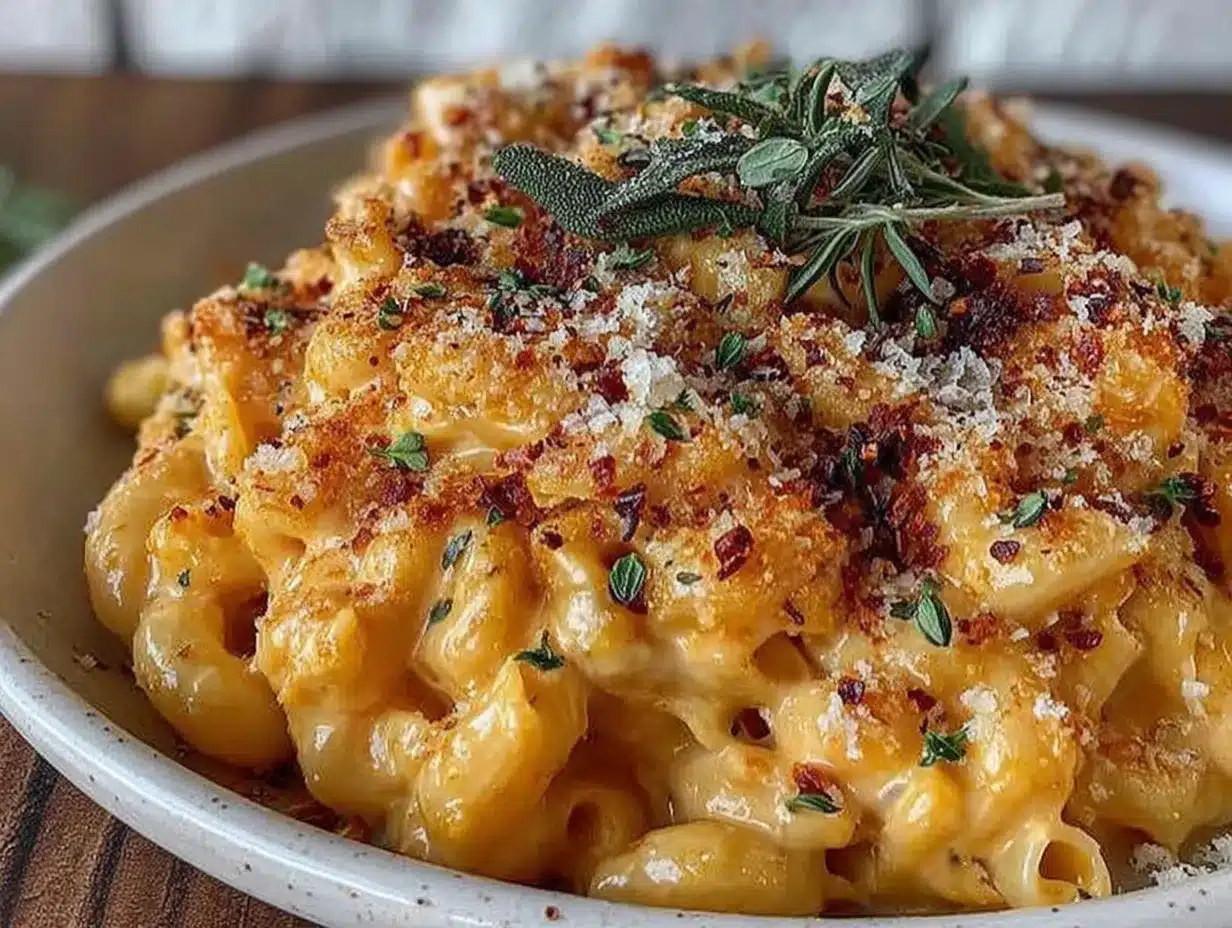
- 12 oz (340g) pasta (cavatappi, elbow macaroni, or shells work great—something with curves to hold the sauce)
- 1 1/2 cups (170g) sharp cheddar cheese, freshly shredded (please shred it yourself—pre-shredded has anti-caking agents that mess with the melt)
- 1/2 cup (55g) Parmesan cheese, freshly grated
For the Crispy Sage Topping
- 12-15 fresh sage leaves (look for leaves that are bright green and not wilted)
- 2 tablespoons butter (unsalted)
- Flaky sea salt, for finishing (optional but highly recommended)
Ingredient Selection Tips: Choose a butternut squash that feels heavy for its size with a firm, matte skin. Avoid any with soft spots or green patches. For the cheese, a good-quality block of sharp cheddar makes all the difference—I usually grab Cabot or Kerrygold for the best melt and flavor. If you’re dairy-free, you can swap the milk for unsweetened oat milk and use dairy-free cheddar shreds, though the texture will be slightly less creamy.
Equipment Needed
- Baking sheet (for roasting the squash—a rimmed one prevents spills)
- Large pot (for boiling pasta and making the sauce)
- Small skillet (for frying the sage leaves)
- Food processor or blender (to puree the squash sauce until silky smooth. An immersion blender works too, but you’ll need to be patient.)
- Box grater or microplane (for shredding cheese—skip the pre-shredded bags!)
- Wooden spoon or silicone spatula
- Measuring cups and spoons
Budget-Friendly Alternatives: No food processor? No problem. You can mash the roasted squash really well with a potato masher, then whisk it vigorously into the milk mixture. The texture won’t be as silky, but it’ll still taste amazing. No microplane? Just use the small holes on a regular box grater for the Parmesan.
Preparation Method
- Preheat your oven to 400°F (200°C). While it’s heating up, toss the cubed butternut squash with the olive oil, salt, and pepper on a baking sheet. Spread it out in a single layer—crowding the pan will steam it instead of roasting it. Roast for 25-30 minutes, flipping halfway through, until the squash is tender and lightly caramelized around the edges. You’ll know it’s done when a fork slides in easily.
- While the squash roasts, bring a large pot of salted water to a boil. Cook your pasta according to package directions until al dente—usually about 8-10 minutes. I always set a timer because I’ve definitely turned pasta into mush before. Reserve about 1 cup (240ml) of pasta water before draining, then drain the pasta and set it aside.
- Make the squash sauce. Transfer the roasted squash to a blender or food processor. Add the milk, broth, minced garlic, Dijon mustard, and nutmeg. Blend until completely smooth—this usually takes about 45 seconds to a minute. Stop and scrape down the sides if needed. The sauce should look like thick, velvety orange silk. Taste it and add a pinch more salt if needed.
- Combine sauce and cheese. Pour the squash puree into the same large pot you used for the pasta (no need to wash it). Warm it over medium-low heat, then add the shredded cheddar and Parmesan. Stir constantly with a wooden spoon until the cheese is fully melted and the sauce is smooth and glossy. This takes about 2-3 minutes. Don’t let it boil—high heat can make the cheese grainy.
- Add the pasta. Toss the cooked pasta into the cheese sauce and stir until every piece is well coated. If the sauce seems too thick, add a splash of the reserved pasta water to loosen it up. I usually add about 1/4 cup (60ml) to start. The sauce should cling to the pasta but still be slightly loose—it will thicken as it sits.
- Fry the sage leaves. In a small skillet, melt the 2 tablespoons of butter over medium heat. Once it’s foaming (but not browning), carefully add the sage leaves in a single layer. Fry for about 20-30 seconds per side, until they turn darker green and the edges get crispy. They’ll sizzle and pop a little—that’s normal. Transfer them to a paper towel-lined plate and sprinkle with a tiny pinch of flaky sea salt.
- Serve immediately. Divide the mac and cheese into bowls, top with the crispy sage leaves, and enjoy while it’s hot. The contrast between the creamy pasta and the crunchy, buttery sage is everything.
Sensory Cues: When the squash is roasting, your kitchen should smell sweet and nutty. When you add the cheese to the puree, watch for the sauce to become thick enough that it coats the back of a spoon. The sage leaves should sound crisp when you tap them with a fork after frying.
Cooking Tips & Techniques
I learned the hard way that not all cheese melts the same. I once used pre-shredded cheddar in a rush, and the sauce turned into a gritty, greasy mess. Seriously, it was like little rubber bits floating in orange water. Shredding your own cheese from a block takes two extra minutes and makes all the difference. The anti-caking agents in bagged shreds just don’t dissolve properly.
Another thing I’ve messed up: over-blending the sauce. If you blend the hot squash too long, it can become gummy and gluey. Just blend until it’s smooth—about 45 seconds—and stop. You want velvety, not pasty.
Timing Strategy: Start roasting the squash first, then get your pasta water boiling about 10 minutes later. By the time the pasta is done, the squash should be ready to blend. This way, everything comes together at the same time, and you’re not waiting around with cold pasta.
If your sauce seems too thin after adding the pasta, don’t panic. Let it sit on low heat for 2-3 minutes, stirring occasionally. The starch from the pasta will help thicken it naturally. If it’s too thick, add pasta water a tablespoon at a time until it loosens up.
Variations & Adaptations
- Make it gluten-free: Use your favorite gluten-free pasta. I’ve had good luck with Banza chickpea pasta or Jovial brown rice pasta. Just be careful not to overcook them—they go from al dente to mushy fast.
- Add some protein: Toss in 2 cups of shredded rotisserie chicken or cooked Italian sausage when you add the pasta to the sauce. I did this with leftover roasted chicken once, and it turned into a full meal that my husband still asks for.
- Make it vegan: Use unsweetened oat milk, vegan butter, and your favorite dairy-free cheddar shreds. I’ve tested this with Miyoko’s cheddar-style shreds, and it melts surprisingly well. The texture won’t be as creamy, but the flavor is still there.
- Change the topping: No sage? No problem. Try crispy fried shallots, toasted panko breadcrumbs, or even crushed rosemary crackers. I once used crushed garlic croutons in a pinch, and it added a nice crunch.
- Spice it up: Add 1/4 teaspoon of cayenne pepper or red pepper flakes to the sauce for a little heat. The sweetness of the squash handles the spice beautifully.
Serving & Storage Suggestions
Serve this mac and cheese piping hot, straight from the pot. The crispy sage leaves are best added right before serving—they lose their crunch if they sit on top too long. I like to garnish with a light sprinkle of flaky sea salt and some extra black pepper.
What to serve with it: A simple green salad with a lemon vinaigrette cuts through the richness perfectly. Or pair it with roasted Brussels sprouts or a side of steamed broccoli. For a heartier meal, serve alongside a bowl of roasted tomato soup for the ultimate comfort food combo.
Storage: Leftovers keep in an airtight container in the fridge for up to 4 days. The pasta will absorb some of the sauce overnight, so it’ll be thicker when reheated. To reheat, add a splash of milk or broth and warm it gently on the stovetop or in the microwave in 30-second bursts, stirring between each. I don’t recommend freezing this—the cheese sauce can separate and turn grainy when thawed.
Flavor Development: Honestly, this dish tastes even better the next day. The flavors meld together overnight, and the squash sweetness becomes more pronounced. It’s one of those rare leftovers you actually look forward to eating for lunch.
Nutritional Information & Benefits
Here are the approximate nutritional values per serving (based on 6 servings):
| Nutrient | Amount per Serving |
|---|---|
| Calories | 420 |
| Total Fat | 18g |
| Saturated Fat | 10g |
| Cholesterol | 45mg |
| Sodium | 520mg |
| Total Carbohydrates | 52g |
| Dietary Fiber | 6g |
| Sugars | 8g |
| Protein | 16g |
| Vitamin A | 280% DV |
| Vitamin C | 35% DV |
| Calcium | 30% DV |
| Iron | 10% DV |
This dish packs a serious nutritional punch thanks to the butternut squash. It’s loaded with vitamin A for eye health and immune support, plus fiber for digestion. The cheese adds calcium and protein, making this a more balanced comfort meal. If you’re watching your sodium, use low-sodium broth and go easy on the added salt. This recipe is naturally vegetarian and can easily be adapted to be gluten-free or vegan.
Conclusion
This butternut squash mac and cheese is the kind of recipe that proves mistakes can be delicious. What started as a ruined soup became one of my most-requested dishes, and I honestly make it on purpose now. It’s creamy without being heavy, sweet without being dessert-like, and that crispy sage topping is just pure magic.
I hope you give this a try, especially as the weather turns cool and you’re craving something warm and comforting. Don’t be afraid to play with the ingredients—swap the cheese, add some protein, or pile on extra sage. Make it your own. And if you do make it, I’d love to hear how it turned out. Drop a comment below, or tag me in your photos. Happy cooking!
Frequently Asked Questions
Can I use frozen butternut squash instead of fresh?
Yes, absolutely! Frozen butternut squash cubes work great in this recipe. Just thaw them first and pat them dry with paper towels before roasting to remove excess moisture. You may need to roast them for 5-10 minutes longer to get them tender and caramelized.
Why did my cheese sauce turn out grainy?
Grainy cheese sauce usually happens when the heat is too high or you used pre-shredded cheese with anti-caking agents. Keep the heat on medium-low when melting the cheese, and always shred your own cheese from a block. Also, avoid boiling the sauce after adding the cheese—gentle heat is key.
Can I make this ahead of time?
You can prep the squash sauce up to 2 days in advance. Just roast the squash, blend it with the milk and seasonings, and store it in the fridge. When you’re ready to serve, reheat the sauce, add the cheese, and toss with freshly cooked pasta. The crispy sage should always be made fresh right before serving.
What pasta shape works best for this recipe?
Any pasta with nooks and crannies works beautifully. Cavatappi, elbow macaroni, shells, or rotini are all great choices. The curves and ridges help hold onto the creamy squash sauce. I personally love cavatappi because it feels a little more special than regular elbows.
Can I leave out the sage?
Sure, you can skip the sage if you don’t have it or don’t like it. The mac and cheese is still delicious on its own. But I really encourage you to try it at least once—the crispy sage adds this incredible earthy, buttery crunch that takes the whole dish to another level. If you’re not a sage fan, try crispy fried shallots or toasted breadcrumbs instead.
Pin This Recipe!
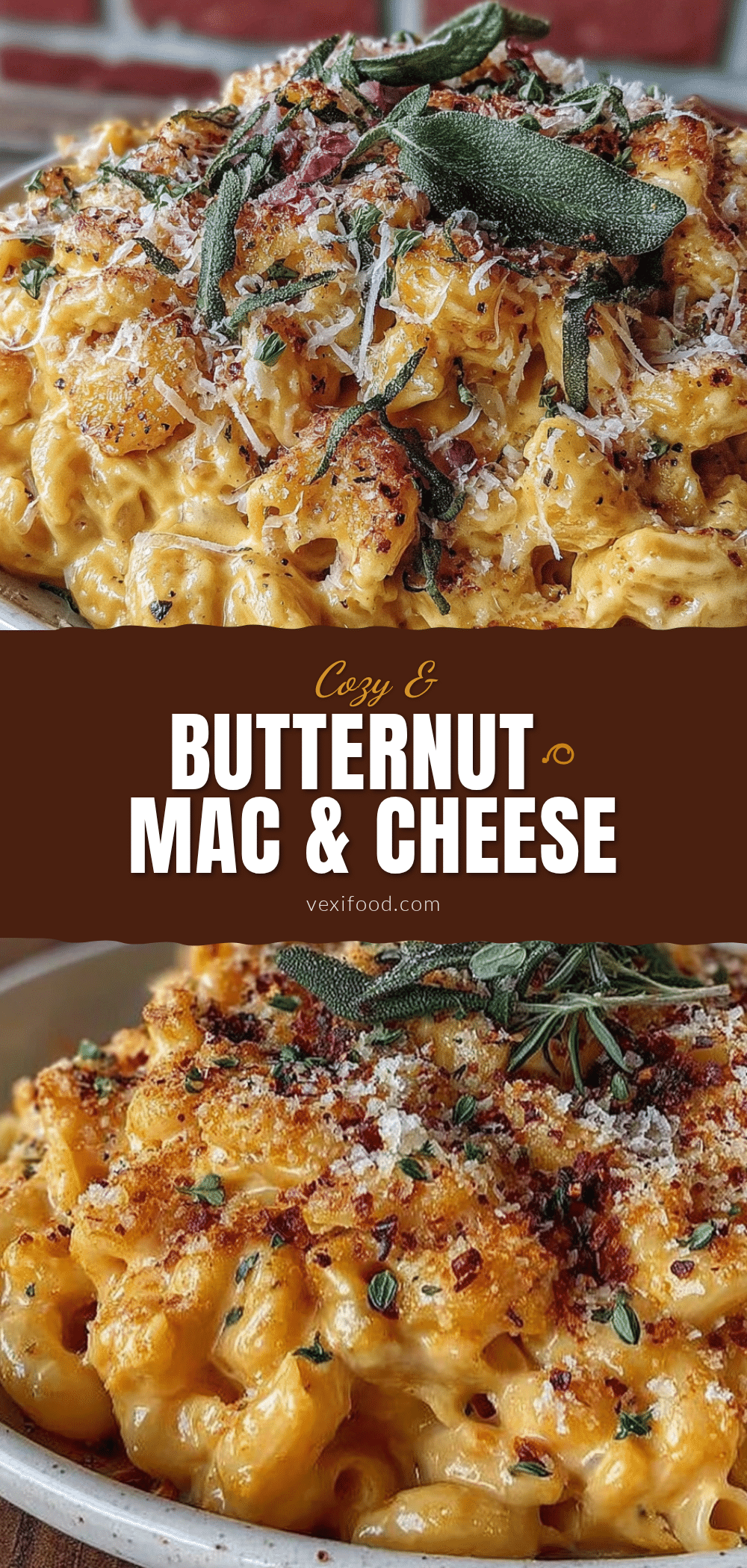
Cozy Butternut Squash Mac and Cheese with Easy Crispy Sage

A creamy, velvety mac and cheese made with roasted butternut squash for natural sweetness, sharp cheddar, and a crispy sage topping. This quick and easy comfort food is perfect for fall and winter, turning a simple Tuesday into something memorable.
- Prep Time: 15 minutes
- Cook Time: 30 minutes
- Total Time: 45 minutes
- Yield: 6 servings 1x
- Category: Main Course
- Cuisine: American
Ingredients
- 1 medium butternut squash (about 2 lbs or 900g), peeled, seeded, and cut into 1-inch cubes
- 1 tablespoon olive oil
- 1/2 teaspoon salt
- 1/4 teaspoon black pepper
- 1 cup (240ml) whole milk
- 1/2 cup (120ml) low-sodium vegetable or chicken broth
- 2 cloves garlic, minced
- 1/2 teaspoon Dijon mustard
- 1/4 teaspoon nutmeg
- 12 oz (340g) pasta (cavatappi, elbow macaroni, or shells)
- 1 1/2 cups (170g) sharp cheddar cheese, freshly shredded
- 1/2 cup (55g) Parmesan cheese, freshly grated
- 12–15 fresh sage leaves
- 2 tablespoons unsalted butter
- Flaky sea salt, for finishing (optional)
Instructions
- Preheat your oven to 400°F (200°C). Toss the cubed butternut squash with olive oil, salt, and pepper on a baking sheet. Spread in a single layer and roast for 25-30 minutes, flipping halfway, until tender and lightly caramelized.
- While the squash roasts, bring a large pot of salted water to a boil. Cook pasta according to package directions until al dente (about 8-10 minutes). Reserve 1 cup (240ml) of pasta water before draining, then drain and set aside.
- Transfer the roasted squash to a blender or food processor. Add milk, broth, minced garlic, Dijon mustard, and nutmeg. Blend until completely smooth (about 45 seconds to 1 minute). Taste and adjust salt if needed.
- Pour the squash puree into the same large pot used for pasta. Warm over medium-low heat, then add shredded cheddar and Parmesan. Stir constantly until cheese is fully melted and sauce is smooth and glossy (about 2-3 minutes). Do not let it boil.
- Add the cooked pasta to the cheese sauce and stir until well coated. If sauce is too thick, add a splash of reserved pasta water (start with 1/4 cup or 60ml) to loosen it up.
- In a small skillet, melt 2 tablespoons of butter over medium heat until foaming. Add sage leaves in a single layer and fry for 20-30 seconds per side until crispy. Transfer to a paper towel-lined plate and sprinkle with a tiny pinch of flaky sea salt.
- Serve immediately. Divide mac and cheese into bowls, top with crispy sage leaves, and enjoy hot.
Notes
Shred your own cheese from a block for best melting; pre-shredded cheese contains anti-caking agents that can make the sauce grainy. For a smoother sauce, avoid over-blending the squash. Leftovers keep in the fridge for up to 4 days; reheat with a splash of milk or broth. Not recommended for freezing as the cheese sauce may separate.
Nutrition
- Serving Size: 1 serving (about 1/6
- Calories: 420
- Sugar: 8
- Sodium: 520
- Fat: 18
- Saturated Fat: 10
- Carbohydrates: 52
- Fiber: 6
- Protein: 16
Keywords: butternut squash mac and cheese, creamy mac and cheese, fall comfort food, easy mac and cheese, vegetarian mac and cheese, crispy sage