Love this? Save it for later!
Share the inspiration with your friends
“I wasn’t planning to become a sourdough hoarder,” I once told a friend, laughing as I fumbled with yet another container of sourdough discard in my fridge. It all started on a random Thursday evening when my sourdough starter needed a refresh, and I ended up with a bowl full of discard that I just couldn’t bear to toss out. Instead of letting it go to waste, I began experimenting beyond the usual loaf of bread. Honestly, it felt like a mini kitchen adventure every time I tried something new.
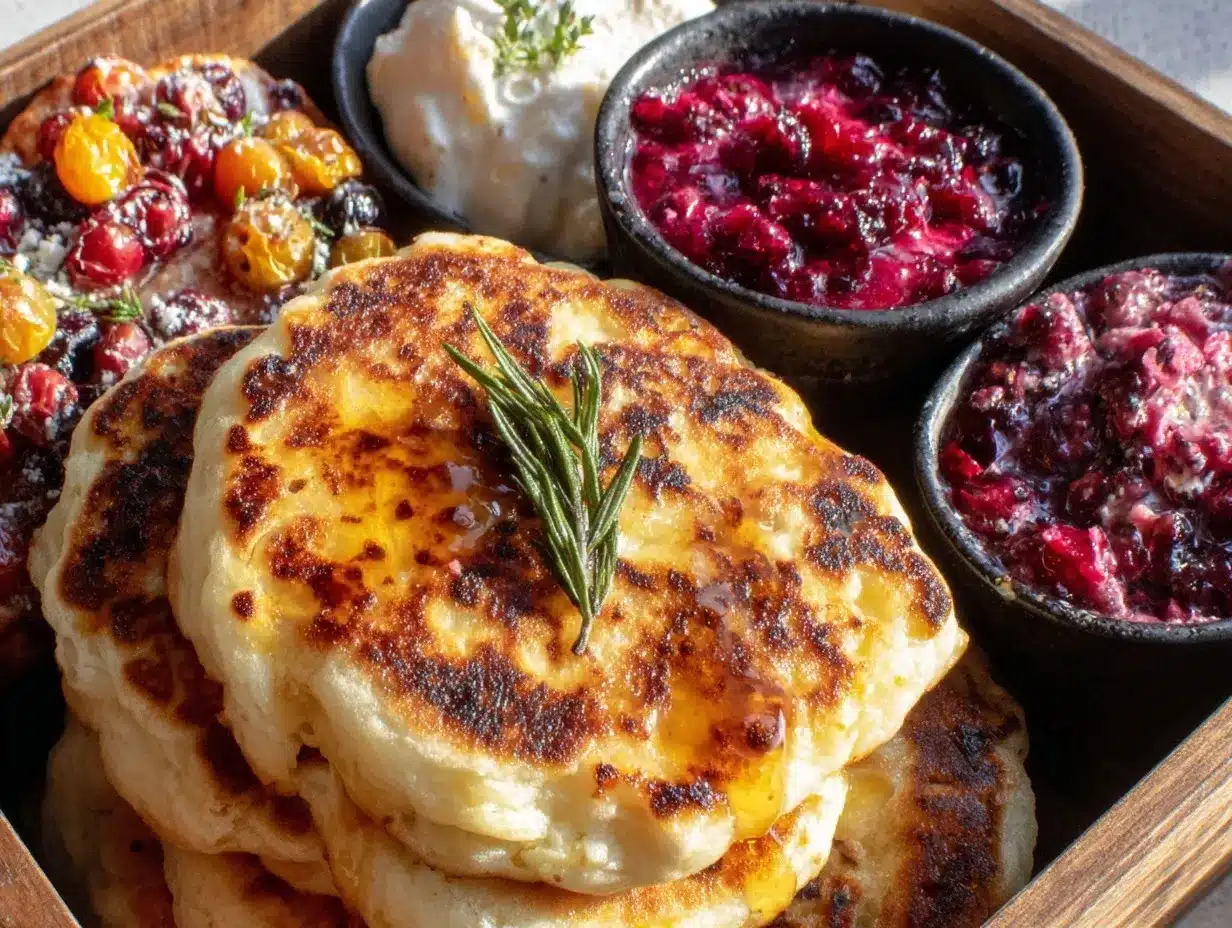
One night, while making pancakes for a late breakfast, I thought, “What if I use this sourdough discard here?” The result? Fluffy, tangy pancakes that instantly became a weekend staple. Maybe you’ve been there too—staring at the discard, wondering if it’s just for the bin or if it has untapped potential. This post is for exactly that moment.
These creative sourdough discard recipes beyond bread are not only easy but surprisingly versatile. From crispy crackers to moist muffins, I’ll share seven ideas that let you enjoy every bit of your starter without feeling guilty about the waste. Let me tell you, once you try these, you’ll never look at sourdough discard the same way again.
Why You’ll Love This Recipe
After countless trials (and the occasional kitchen mess), I can confidently say these sourdough discard recipes are a game-changer. They turn what many see as “leftover” into delicious treats that are easy to whip up any day of the week. Here’s why you’ll enjoy making and eating them:
- Quick & Easy: Most recipes come together in under 30 minutes, perfect if you’re juggling work, family, or just craving something tasty without the fuss.
- Simple Ingredients: You don’t need exotic pantry items. The discard itself adds a natural tang, while the rest are everyday staples you probably already have.
- Perfect for Any Occasion: Whether it’s a casual brunch, a snack for movie night, or a potluck contribution, these recipes fit right in.
- Crowd-Pleaser: Friends and family often ask for seconds, and some even swear they can’t taste the sourdough at all—which is a win for picky eaters.
- Unbelievably Delicious: The sourdough discard brings a subtle depth of flavor and moist texture that’s hard to beat.
What sets these recipes apart is the way they celebrate the discard’s unique tang without overwhelming the dish. For example, blending the discard into batters or doughs gives a gentle acidity that brightens flavors rather than masking them. Honestly, I love how these recipes turn what could be waste into something that feels like a little kitchen victory every time.
What Ingredients You Will Need
These recipes rely on simple, wholesome ingredients that complement the sourdough discard’s tangy character. Most of what you need will already be in your kitchen, and substitutions are easy if you want to tweak things:
- Sourdough discard: Unfed starter, typically 100% hydration (equal parts flour and water by weight). If you keep a rye or whole wheat starter, feel free to experiment with those too.
- Flours: All-purpose flour is the base for most recipes. You can swap half with whole wheat for nuttier flavor or use gluten-free blends for special diets.
- Eggs: Large, room temperature eggs help bind and enrich batters and doughs.
- Dairy or dairy alternatives: Milk, yogurt, or buttermilk add moisture and mild tang. I prefer whole milk for richness but almond or oat milk work well too.
- Sweeteners: Granulated sugar, honey, or maple syrup depending on the recipe. These balance the sourdough’s acidity nicely.
- Leavening agents: Baking soda and baking powder give lift, especially since the discard itself has lost much of its rising power.
- Flavor enhancers: Vanilla extract, cinnamon, or herbs depending on your taste and the recipe.
- Salt: Just a pinch to enhance flavors.
- Optional add-ins: Nuts, seeds, dried fruit, or cheese can add texture and variety.
For crackers, you’ll want olive oil and some coarse salt on top. For pancakes and waffles, a bit of melted butter or oil helps with browning. I usually reach for organic ingredients when I can, especially for flour and eggs, but that’s just my preference.
Equipment Needed
Most of these sourdough discard recipes can be made with basic kitchen equipment that you likely already own. Here’s a quick rundown:
- Mixing bowls: A medium and large bowl for combining ingredients.
- Measuring cups and spoons: For accuracy, especially with leavening agents.
- Whisk and spatula: To mix batters smoothly without overworking the gluten.
- Non-stick skillet or griddle: Essential for pancakes and flatbreads.
- Baking sheet or tray: For crackers and baked snacks.
- Parchment paper or silicone baking mat: Prevents sticking and makes cleanup easier.
- Muffin tin or loaf pan: For muffins or quick breads.
If you don’t have a griddle, a regular skillet works just fine, though heat distribution might vary slightly. When making crackers, a rolling pin helps get even thickness, but using your hands to press dough thin on the baking sheet works in a pinch. I’ve learned that having a good-quality non-stick skillet makes all the difference for pancakes, as it prevents sticking even when you’re rushing.
Preparation Method
- Gather your sourdough discard and ingredients: Measure out about 1 cup (240 ml) of discard for most recipes. Make sure it’s at room temperature and stirred well.
- Mix dry ingredients: In a large bowl, combine your flour(s), baking soda, baking powder, salt, and any spices. Whisk to blend evenly. This usually takes 2-3 minutes.
- Combine wet ingredients: In a separate bowl, whisk the sourdough discard with eggs, milk (or alternative), sweetener, and vanilla extract until smooth. This step is crucial for a consistent batter.
- Incorporate wet and dry: Pour the wet mix into the dry ingredients and fold gently with a spatula. Don’t overmix; a few lumps are okay. Overmixing can lead to dense textures.
- Add extras: Fold in nuts, seeds, or fruit if desired. For savory recipes like crackers, add herbs or cheese here.
- Rest the batter or dough: Let it sit for 10-15 minutes. This helps the flour hydrate and the flavors meld. You might notice the batter thickens slightly.
- Cook or bake: For pancakes or waffles, heat your skillet or waffle iron over medium heat and cook until bubbles form and edges look set, about 2-3 minutes per side. For muffins or crackers, preheat the oven to 375°F (190°C) and bake for 15-20 minutes or until golden and firm.
- Cool and serve: Let baked goods cool for at least 5 minutes before slicing or serving. This step lets the crumb set properly.
Pro tip: When making crackers, score the dough lightly before baking to get clean breaks. Also, be patient with the heat—too hot and pancakes or crackers burn outside before cooking through.
Cooking Tips & Techniques
Here are some pointers I’ve picked up from both successes and flops in the kitchen:
- Always stir your discard before measuring: It tends to separate, so give it a good stir to make sure you’re using consistent hydration.
- Don’t skip the resting time: That little pause does wonders for texture and flavor development.
- Adjust liquid ratios depending on discard age: If your discard is very thick or dry, add a splash of milk or water to keep the batter smooth.
- Use fresh baking soda/powder: Old leavening agents can make your baked goods dense and flat.
- Mind the heat: Medium heat works best for pancakes to get a golden crust without burning. For crackers, keep your oven steady and watch closely towards the end.
- Experiment with seasoning: A pinch of garlic powder or rosemary can turn crackers into a savory delight.
- Don’t be discouraged by imperfect shapes: These recipes are forgiving, and rustic looks often add charm.
I once forgot to add baking powder to a batch of discard muffins—let’s just say they were very dense but still tasty. That mistake taught me to always double-check my ingredients before mixing!
Variations & Adaptations
The beauty of sourdough discard recipes is how easy they are to tweak:
- Gluten-Free: Swap all-purpose flour for a gluten-free blend. Add a bit of xanthan gum if your blend doesn’t include it for better structure.
- Sweet or Savory: Customize pancakes or crackers with sweet add-ins like blueberries and cinnamon, or savory options like cheddar and chives.
- Seasonal Ingredients: In fall, toss in diced apples and warming spices for muffins. Summer calls for fresh herbs and tomatoes in flatbreads or crackers.
- Dairy-Free: Use almond, oat, or coconut milk instead of cow’s milk. Coconut yogurt works well if you want a tangy twist in batters.
- Different Flours: Experiment with rye or spelt discard if you have them for unique flavor profiles.
Personally, I once made discard pancakes with mashed pumpkin and nutmeg during a chilly October weekend. It was a cozy, crowd-pleasing hit and felt like an autumn hug on a plate. Don’t hesitate to get creative and adjust according to what you have on hand!
Serving & Storage Suggestions
These recipes are best enjoyed fresh but also keep well for later:
- Serving: Warm pancakes or muffins with a pat of butter, drizzle of honey, or your favorite jam. Crackers pair beautifully with cheese, hummus, or dips.
- Storage: Store leftovers in an airtight container at room temperature for up to 2 days or refrigerate for up to a week.
- Freezing: Muffins and pancakes freeze well. Wrap individually or in batches and thaw overnight in the fridge or reheat gently in a toaster or oven.
- Reheating: Use a toaster oven or skillet to crisp up crackers again. For pancakes, a quick microwave zap or skillet warm-up works.
- Flavor Development: Some recipes, like sourdough discard pancakes, taste even better the next day as the tang intensifies slightly.
I’ve brought my discard crackers to picnics and potlucks, and they always disappear fast. You can pack some with a container of dip for a perfect snack on the go.
Nutritional Information & Benefits
While exact values depend on specific recipes and ingredients, here’s a general idea:
- Calories per serving typically range from 150-250 for pancakes or muffins, depending on size and add-ins.
- Sourdough discard provides natural fermentation benefits, including easier digestibility and potential probiotic effects.
- Using discard reduces food waste, which is good for both your kitchen and the planet.
- Ingredients like whole wheat flour add fiber and nutrients, while nuts and seeds contribute healthy fats and protein.
- Many recipes can be made gluten-free and dairy-free, accommodating common dietary needs.
From a wellness standpoint, incorporating sourdough discard recipes is a fun way to add gentle fermentation flavors without extra sugars or preservatives.
Conclusion
Creative sourdough discard recipes beyond bread offer a tasty, resourceful way to handle that extra starter languishing in your fridge. They’re simple to make, endlessly adaptable, and deliver surprising flavor and texture that’ll keep you coming back for more. I love how these recipes turn what could be kitchen scraps into little celebrations of flavor and comfort.
Feel free to customize these ideas to match your preferences or pantry supplies—honestly, that’s part of the joy. If you’ve been holding onto your discard unsure what to do next, give one of these recipes a try. Let me know how it goes or share your own twists in the comments. Happy cooking, and here’s to zero waste and full bellies!
FAQs
- What is sourdough discard? It’s the portion of sourdough starter you remove before feeding to keep your starter manageable. It’s perfectly safe to eat and can be used in various recipes.
- Can I use discard that is refrigerated for several days? Yes, as long as it hasn’t developed mold or an off smell, discard kept in the fridge for up to a week is fine to use.
- Do I need to adjust recipes if my discard is whole wheat or rye? Slightly. Whole grain discards can add more flavor and density, so you might reduce flour slightly or increase liquid.
- Can I freeze sourdough discard? Yes, freezing is a great way to store discard if you don’t want to use it immediately. Thaw overnight before using in recipes.
- Does cooking sourdough discard kill the beneficial bacteria? Cooking does kill live cultures, but the fermentation flavor and some nutritional benefits remain.
Pin This Recipe!
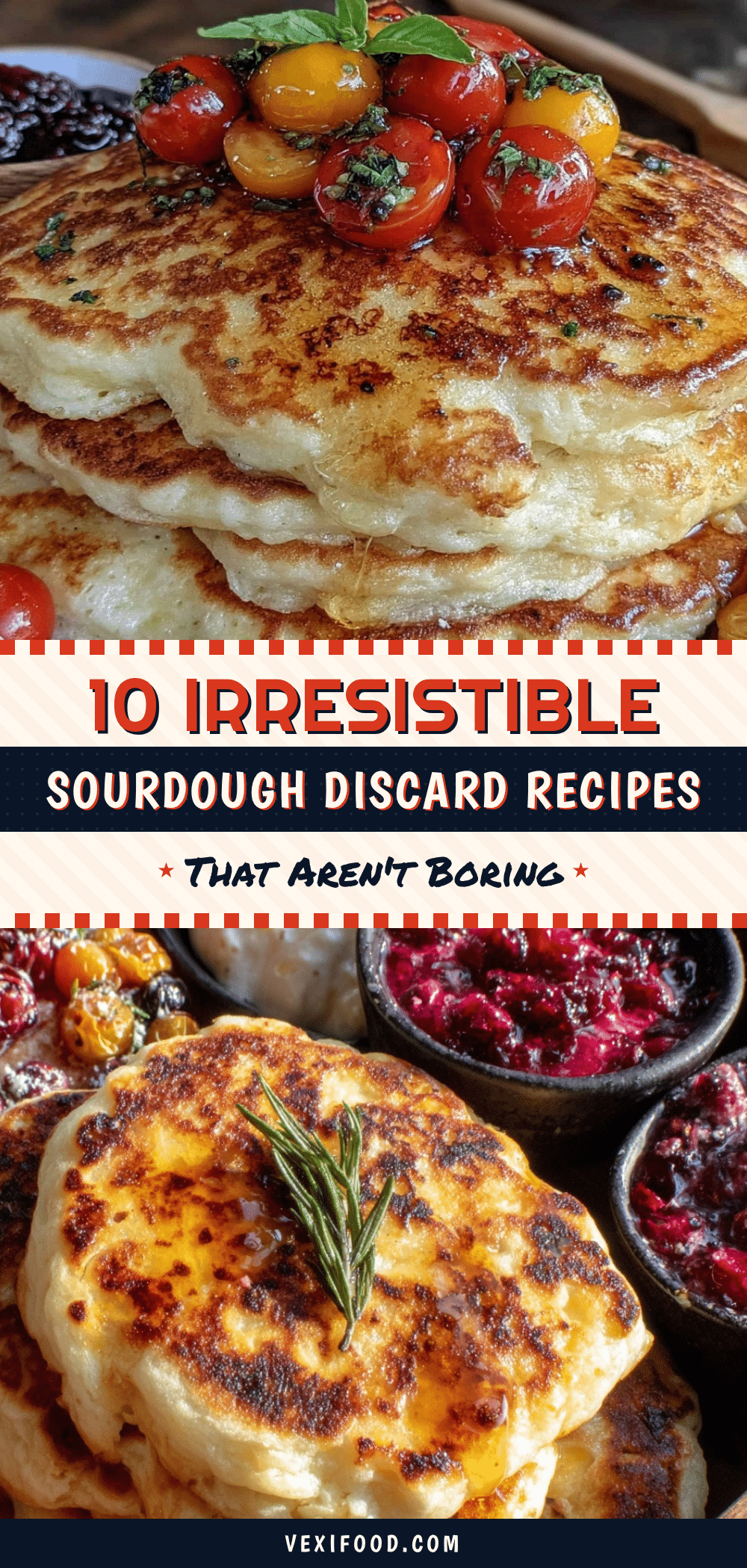
Creative Sourdough Discard Recipes Beyond Bread
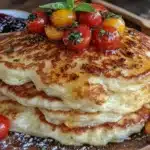
Discover seven easy and versatile recipes using sourdough discard that transform leftover starter into delicious pancakes, crackers, muffins, and more.
- Prep Time: 10 minutes
- Cook Time: 15-20 minutes
- Total Time: 25-30 minutes
- Yield: 4 servings
- Category: Snack
- Cuisine: American
Ingredients
- Sourdough discard (unfed starter, typically 1 cup or 240 ml)
- All-purpose flour (can substitute half with whole wheat or gluten-free blends)
- Large eggs (room temperature)
- Milk, yogurt, or buttermilk (or dairy alternatives like almond or oat milk)
- Sweeteners such as granulated sugar, honey, or maple syrup
- Baking soda
- Baking powder
- Salt (a pinch)
- Vanilla extract, cinnamon, or herbs (optional flavor enhancers)
- Optional add-ins: nuts, seeds, dried fruit, cheese
- Olive oil (for crackers)
- Melted butter or oil (for pancakes and waffles)
Instructions
- Gather your sourdough discard and ingredients; measure about 1 cup (240 ml) of discard at room temperature and stir well.
- Mix dry ingredients: combine flour(s), baking soda, baking powder, salt, and spices in a large bowl; whisk to blend evenly.
- Combine wet ingredients: whisk sourdough discard with eggs, milk (or alternative), sweetener, and vanilla extract until smooth.
- Pour wet mixture into dry ingredients and fold gently with a spatula; avoid overmixing to prevent dense texture.
- Fold in optional extras like nuts, seeds, fruit, herbs, or cheese depending on recipe.
- Let batter or dough rest for 10-15 minutes to hydrate flour and meld flavors.
- Cook or bake: For pancakes or waffles, heat skillet or waffle iron over medium heat and cook 2-3 minutes per side until bubbles form and edges set. For muffins or crackers, preheat oven to 375°F (190°C) and bake 15-20 minutes until golden and firm.
- Cool baked goods for at least 5 minutes before serving to allow crumb to set.
Notes
Always stir your discard before measuring to ensure consistent hydration. Don’t skip the resting time for better texture and flavor. Adjust liquid ratios if discard is thick or dry. Use fresh baking soda and powder for best rise. Cook pancakes on medium heat to avoid burning. Score cracker dough before baking for clean breaks. Recipes are forgiving; rustic shapes add charm.
Nutrition
- Serving Size: 1 serving (approxima
- Calories: 150250
- Sugar: 510
- Sodium: 150300
- Fat: 510
- Saturated Fat: 13
- Carbohydrates: 2535
- Fiber: 13
- Protein: 47
Keywords: sourdough discard, sourdough recipes, zero waste cooking, pancakes, crackers, muffins, easy recipes, gluten-free options, dairy-free options